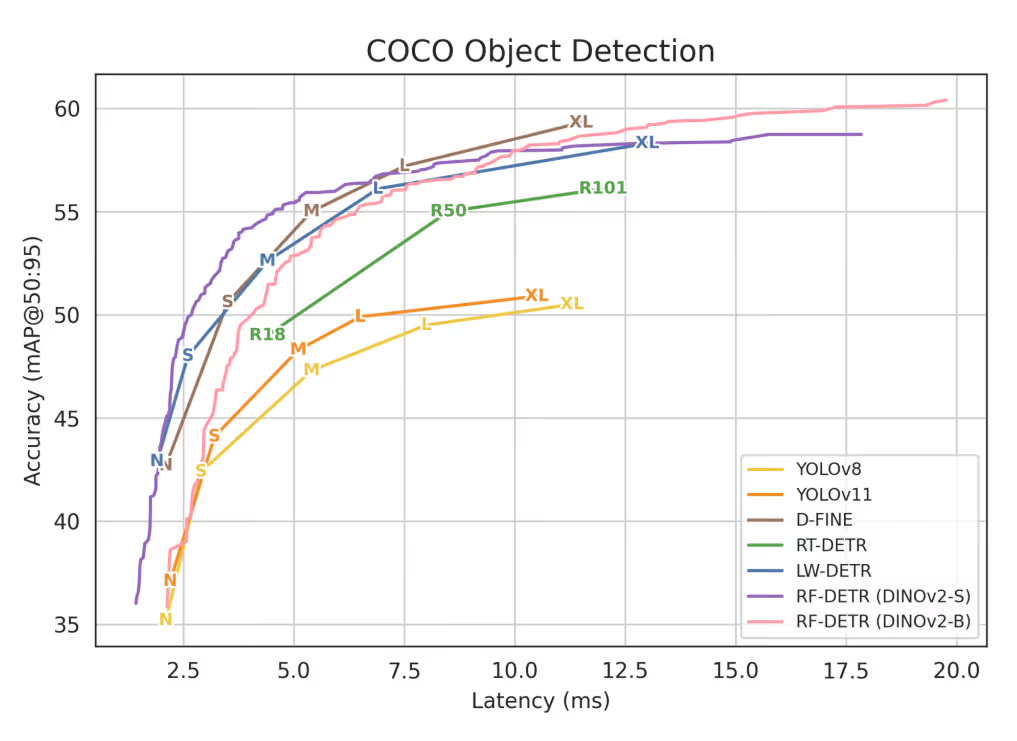
YOLOv8 is a computer vision model architecture developed by Ultralytics, the creators of YOLOv5. You can deploy YOLOv8 models on a wide range of devices, including NVIDIA Jetson, NVIDIA GPUs, and macOS systems with Roboflow Inference, an open source Python package for running vision models.
As the sun leaned toward evening, we found a bench beneath a maple whose leaves were just beginning to blush. We shared music from my phone—an old vinyl-sounding track she’d never heard and another she insisted I must listen to. Her hand brushed mine when she reached for the volume; it was a deliberate, comfortable touch, not urgent but not accidental either. The moment stretched like warm taffy, soft and yielding.
You can train a YOLOv8 model using the Ultralytics command line interface.
To train a model, install Ultralytics:
Then, use the following command to train your model:
Replace data with the name of your YOLOv8-formatted dataset. Learn more about the YOLOv8 format.
You can then test your model on images in your test dataset with the following command:
Once you have a model, you can deploy it with Roboflow.
YOLOv8 comes with both architectural and developer experience improvements.
Compared to YOLOv8's predecessor, YOLOv5, YOLOv8 comes with: date with naomi walkthrough top
Furthermore, YOLOv8 comes with changes to improve developer experience with the model. As the sun leaned toward evening, we found